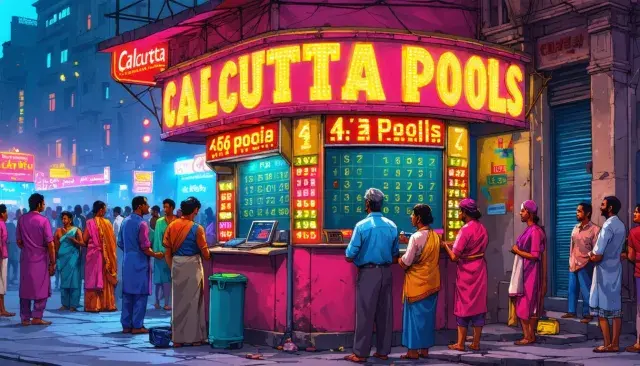
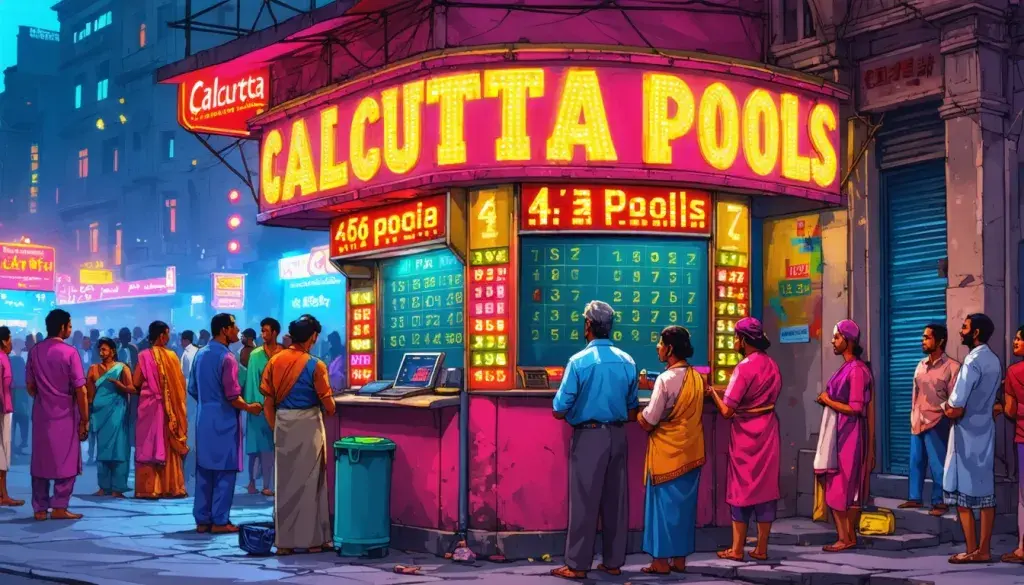
Calcutta pools selections spotlight jackpots on numbers 4, 5, 6, 7, and 8, complete with a mini jackpot option. The winner receives ₹1,65,000, second place claims ₹75,000, third takes ₹45,000, and fourth secures ₹15,000. These amounts reflect the structured allure of local number prediction games in a city with deep-rooted wagering traditions.
Prize Structure Breakdown
Organizers allocate prizes in descending order to reward precision in selections. The top award of ₹1,65,000 dwarfs lower tiers, incentivizing full matches on jackpot numbers. Second and third prizes maintain momentum for near successes, while the fourth position ensures broader accessibility. This tiered system balances high stakes with wider participation.
Mechanics of Pools Selections
Participants predict outcomes tied to specific numbers, with jackpots activating on designated lines like 4 through 8. Correct sequences trigger payouts, where mini jackpots offer secondary chances on partial hits. Such formats rely on probability, as each number represents potential results from underlying draws. Calcutta's version adapts traditional pools to local preferences, emphasizing quick resolutions.
Cultural Embedment in Calcutta
Number-based pools trace back through generations in Calcutta, serving as communal pastimes amid daily routines. They thrive in urban settings where economic pressures amplify the draw of sudden gains. Regulatory oversight shapes operations, confining legal forms to state-approved lotteries while informal variants persist. This duality mirrors broader Indian attitudes toward chance and fortune.
Participation Risks and Outlook
High prizes fuel engagement, yet losses accumulate for most entrants due to inherent odds. Financial strain emerges when selections become habitual, underscoring need for limits. Future iterations may incorporate digital tracking for transparency, aligning with evolving urban lifestyles. Calcutta's pools continue to evolve, blending tradition with modern demands.